Podcast "Media & Society"


12 raidieraksta “Mediji un sabiedrība” (Media & Society) sērijas ir adresētas mediju nozares profesionāļiem, pētniekiem, politikas veidotājiem un ikvienam, kurš vēlas labāk saprast to, kā veidojas mediju un sabiedrības attiecības Latvijā un Igaunijā.
Raidieraksta sērijas vada Rīgas Stradiņa universitātes doktorante, Sociālo zinātņu pētniecības centra pētniece Līga Ozoliņa
Podkāsts ir angļu valodā. Te vari sekot podkāstam Spotify vietnē.
The Media & Society podcast offers a platform for in-depth conversations about how people experience, think about, and feel regarding media and journalism. Aimed at media professionals and scholars, it explores the multifaceted relationship between media, journalism, and audiences in two Baltic countries – Latvia and Estonia.
The podcast series is hosted by Līga Ozoliņa, a PhD student at Rīga Stradiņš University and a researcher at the Social Sciences Research Centre.
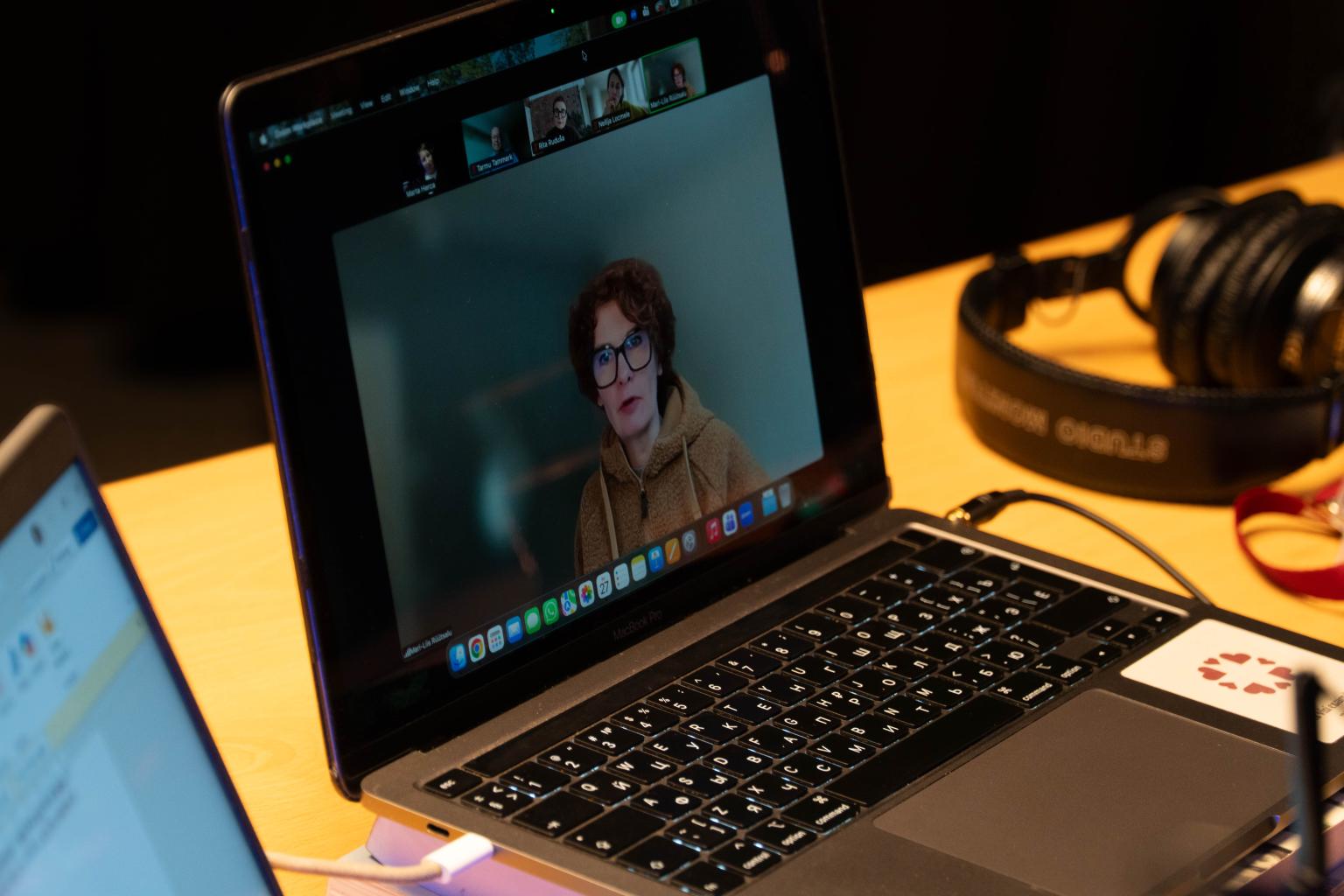
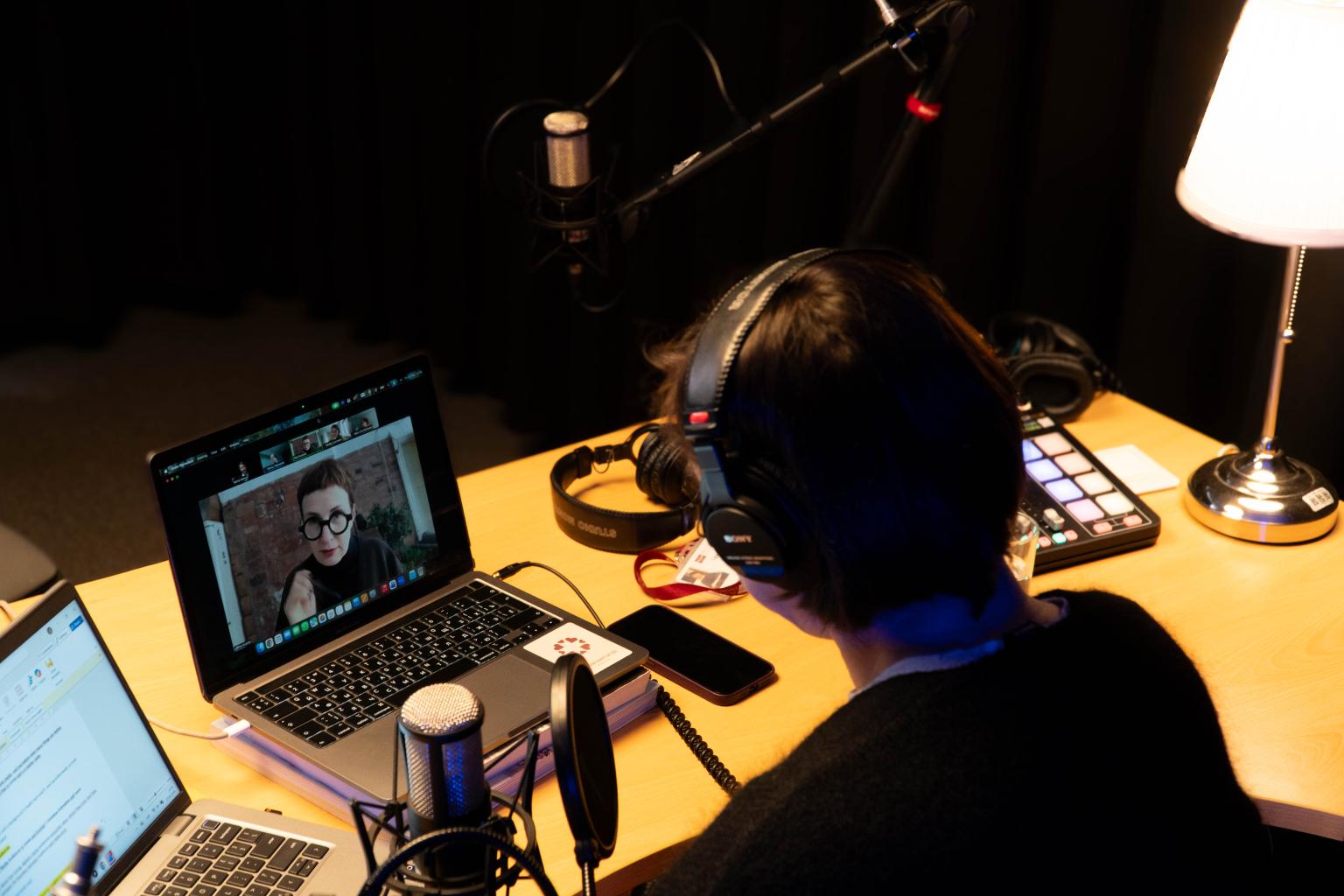
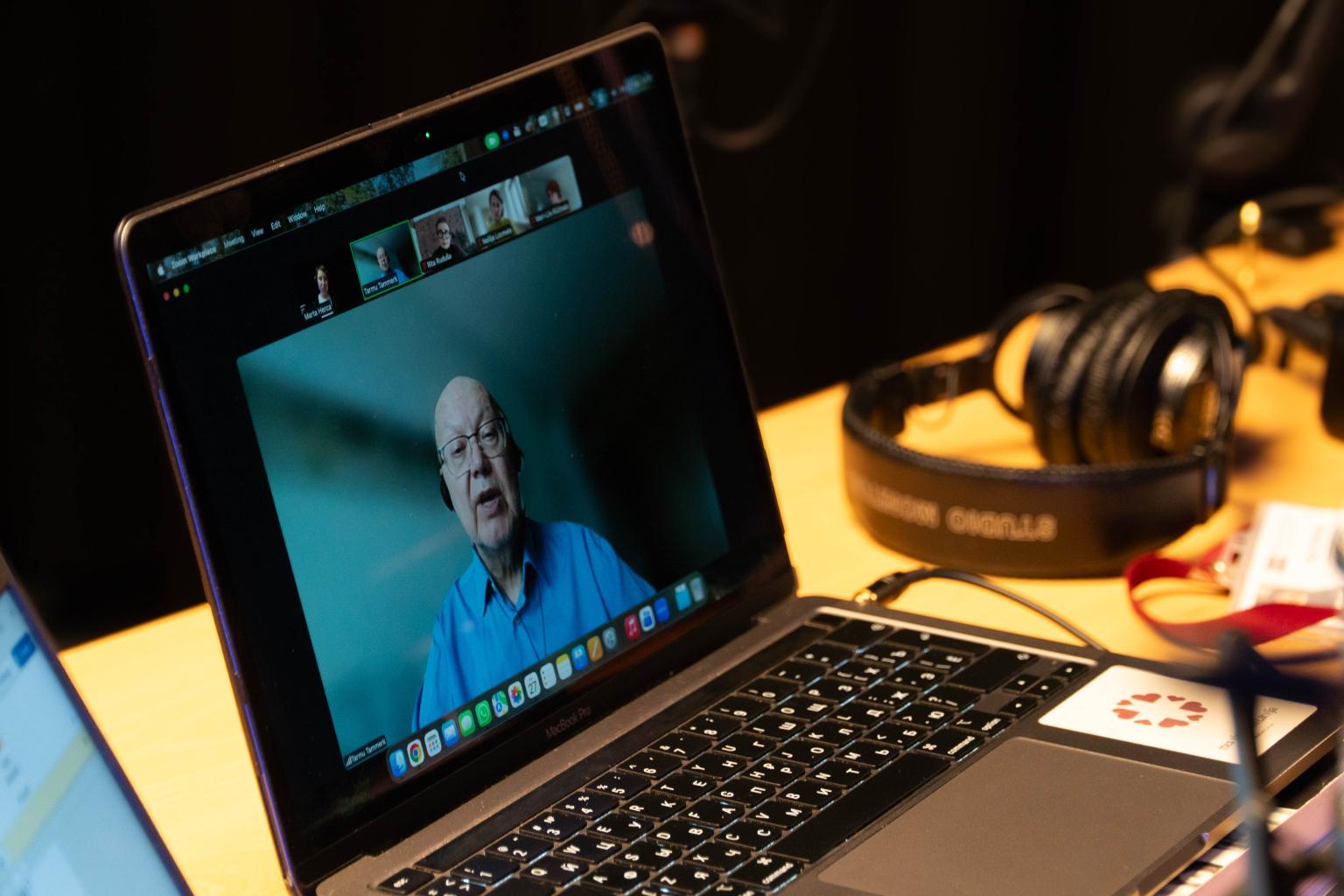
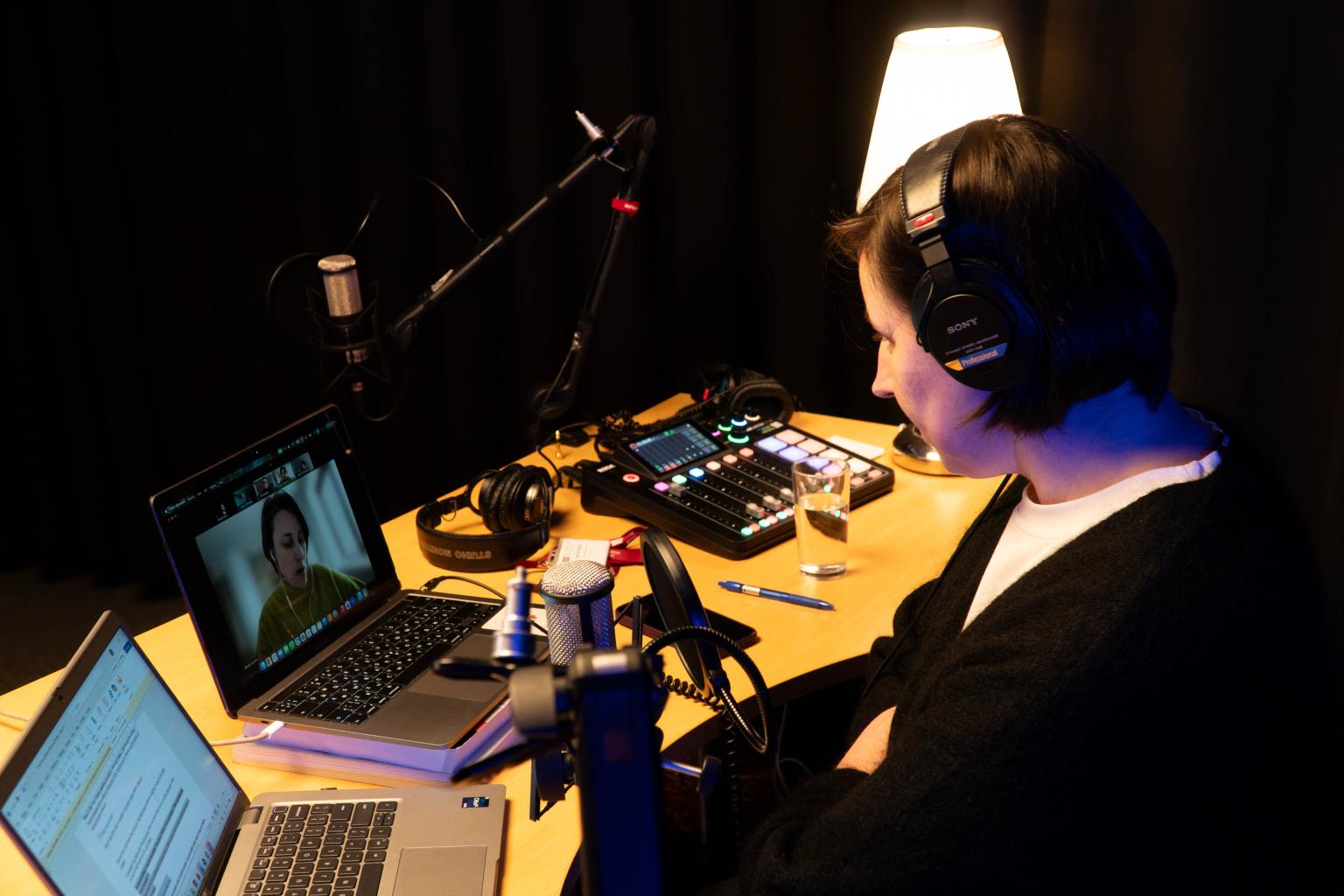
What’s Next for Media and Society Relations in Latvia and Estonia? | Nellija Ločmele, Mari-Liis Rüütsalu, Rita Ruduša and Tarmu Tammerk | 12
In this final episode of Media & Society, we look back at the key questions that have shaped the season and ask what comes next for the relationship between media and society in Latvia and Estonia. From news fatigue and trust to media literacy, polarization, and the future of journalism, this conversation brings together several of the themes that have run through the series.
To close the season, host Līga Ozoliņa is joined by four distinguished guests: Nellija Ločmele, editor-in-chief of IR magazine; Mari-Liis Rüütsalu, former member of the management board of Express Group; Rita Ruduša, media expert with extensive experience in journalism and the NGO sector; and Tarmu Tammerk, ombudsperson at Estonian Public Broadcasting.
Together, they reflect on how journalism can remain relevant in a fragmented and emotionally exhausted information environment, what media organizations can do to respond to distrust and disengagement, and why questions of responsibility, representation, and democratic resilience are becoming more urgent than ever. As a season finale, this episode offers not only a summary of earlier discussions, but also a broader reflection on the future of media in Latvia and Estonia.
|
|
|
|
|
|
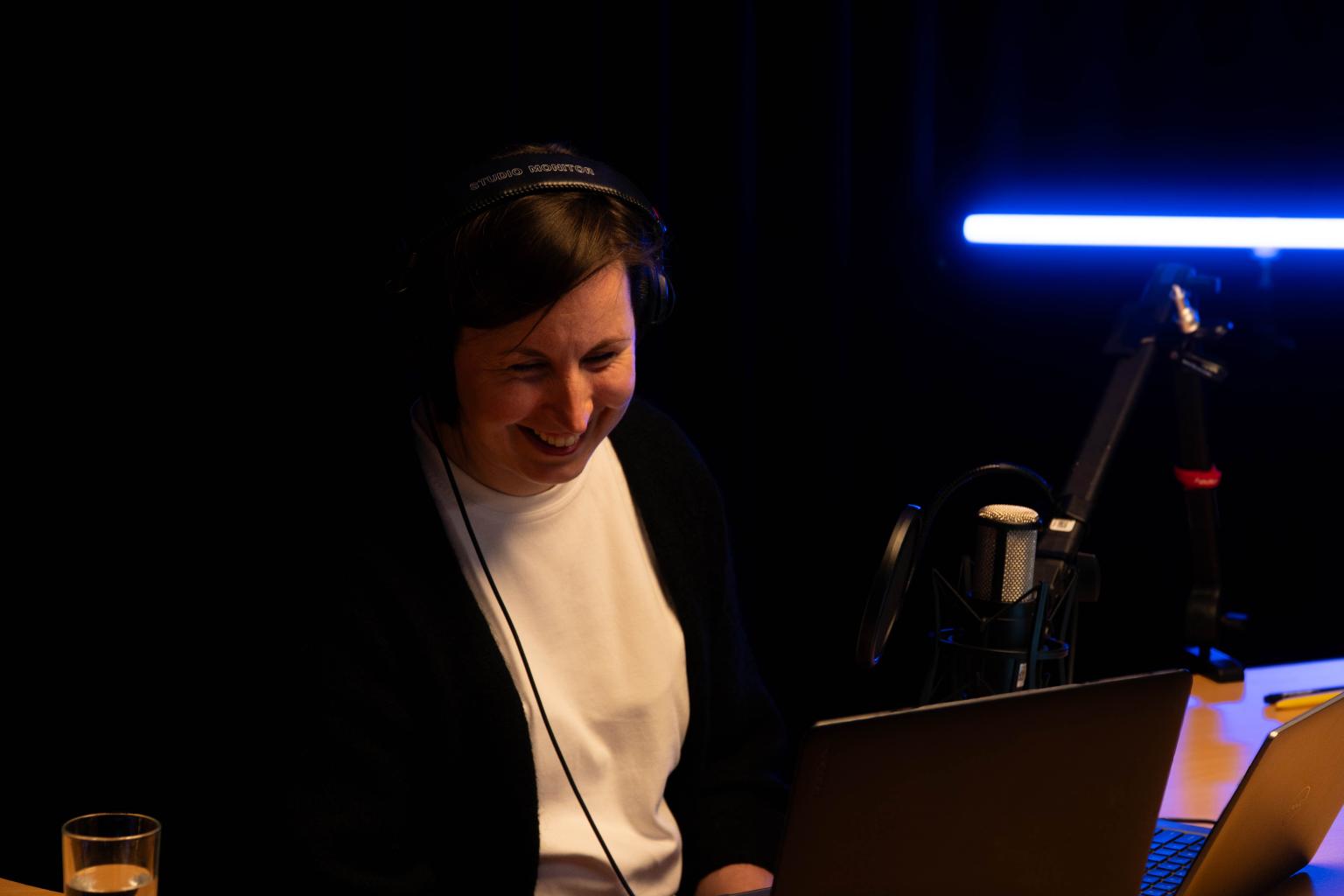
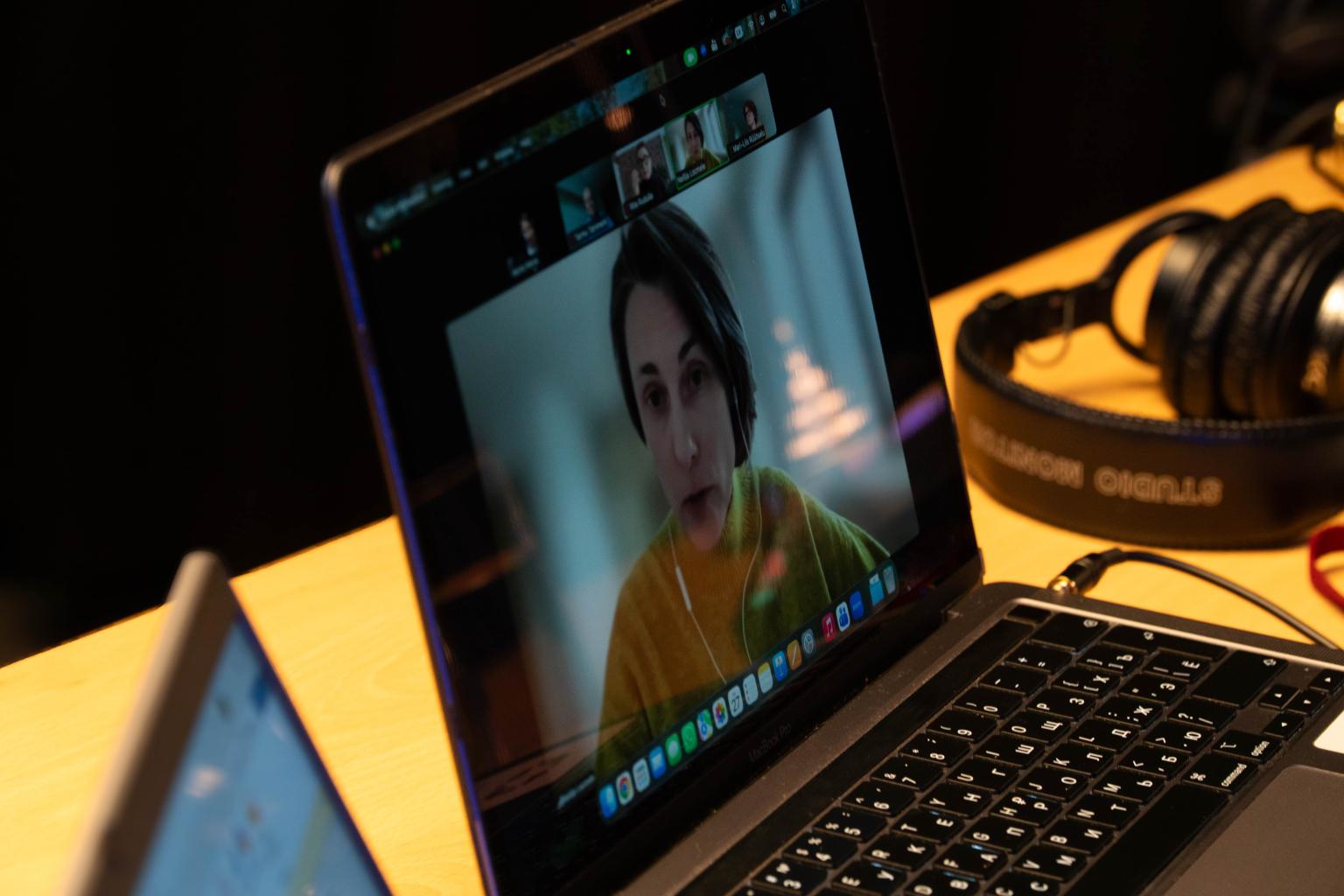
Who Are the Future Media Audiences in Latvia and Estonia? | Kristiāna Grāmatiņa and Laura Rannaväli | 11
In this episode of Media & Society, we move the lens from journalism students to those who increasingly shape the demand for journalism itself: young, digitally native media audiences. How do they encounter news today? Who do they trust? And what responsibility comes with having a platform in an online-first infospace?
Our guests – Kristiāna Grāmatiņa, a podcaster with a background in health tech and IT, and Laura Rannaväli, a cross-media student and content creator – reflect on trust, responsibility, and the blurred lines between audience, creator, and media actor in the social media age.
Together, they discuss why many young people meet news first on platforms like TikTok and Instagram, why professional journalism still matters, and how small “seeds” of media awareness can be planted where the next generation already spends its time.
Who Are the Future Journalists? Journalism Students in Latvia and Estonia | 10
In this episode of Media & Society, we turn our attention to the voices that are often spoken about, but too rarely listened to: journalism students who are just beginning their professional journeys in Latvia and Estonia. What does journalism look like through their eyes – at a time when trust in media is fragile, platforms are shifting, and artificial intelligence is reshaping how information is created and consumed?
Our guests – Anette Marie Volt and Annaliisa Karu, journalism and communication students from the University of Tartu, and Mariss Priekulis, a journalism student from Rīga Stradiņš University – reflect on how young people navigate news in a digital-first world, why traditional television can feel distant, and how they see their own future in journalism.
What makes people trust or distrust media in Latvia and Estonia. Sergejs Kruks and Triin Vihalemm | 9
In this episode of Media & Society, we explore what shapes public trust – and distrust – in media across Latvia and Estonia. How do political culture, economic insecurity, generational shifts, and digital platforms influence what people believe?
Our guests, Professor Sergejs Kruks from Rīga Stradiņš University and Professor Triin Vihalemm from the University of Tartu, reflect on why trust in institutional media continues to decline, how socio-economic and ethnic differences affect media use, and why many vulnerable groups remain unheard.
What makes people trust or distrust institutions in Latvia and Estonia. Marju Lauristin and Inta Mieriņa | 8
In this episode of Media & Society, together, we look at how social trust, political culture, and media freedom shape the way people in Latvia and Estonia believe — or stop believing — in the systems that govern them. Our guests, Professor Marju Lauristin from University of Tartu and Professor Inta Mieriņa from University of Latvia, reflect on decades of social change in the Baltics and share what data — and lived experience — reveal about trust, polarization, and the fragile bond between people and power.
What it’s like to be a Russian-speaking journalist in Latvia and Estonia. Julia Bali and Anna Stroja | 7
In this candid and emotion-filled episode of Media & Society, we talk to Julia Bali, Editor-in-Chief of Estonia’s Radio 4 (ERR), and Anna Stroja, Editor-in-Chief of Latvian Radio 4, about working at the crossroads of language, policy, and public trust. In Latvia, television broadcasts in Russian are no longer available in linear transmission as of 2025, and radio broadcasts will end in 2026, while Estonia continues to invest in Russian-language media and considers it a critical aspect of national security and integration. What does that mean for audiences who rely on radio, for national security, and for the journalists themselves?
How to address Russian-speaking audiences: Approaches of Latvian and Estonian media policymakers | 6
In this episode of Media & Society, we explore how Latvia and Estonia aim to reach their Russian-speaking audiences – and why their strategies differ. Kārlis Dagilis, adviser to the Latvian Minister of Culture, and Andres Jõesaar, media adviser at the Estonian Ministry of Culture, discuss what it means to build one shared information space while taking different approaches to language use in media.
This episode extends previous discussions in which Russian-speaking communities have emerged as a critical lens for examining media trust and inclusion in Latvia and Estonia. It considers how policy decisions shape not only the dissemination of information but also the representation and visibility of minority voices in the media landscape.
How to build trust with your audience: The case of public media in Latvia and Estonia | 5
In this episode of Media & Society, we turn our attention to the heart of journalism: trust. What does it take for public broadcasters to build and sustain meaningful relationships with their audiences. Our guests, Anita Brauna, Editor-in-Chief of Latvian Public Media (LSM), and Mart Luik, Board Member of Estonian Public Broadcasting (ERR), join us for a conversation about how public service media in Latvia and Estonia are working to reach wider – and often underrepresented – groups, including Russian-speaking minority.
Together, we explore the challenges of integration, the rise of digital platforms, strategies for engaging young people, and why local, independent journalism matters more than ever in divided information spaces.
Are people willing to pay for journalism? The case of Delfi in Latvia and Estonia | 4
In this thought-provoking episode of Media & Society, we delve into the challenges and breakthroughs of paid content models in Latvia and Estonia. This episode brings together two key voices in digital journalism: Filips Lastovskis, Editor-in-Chief of Delfi Latvia, and Urmo Soonvald, Editor-in-Chief of Delfi Estonia.
Together, they explore what it takes to convince readers to support journalism financially – from the early days of subscription models to navigating cultural attitudes, economic realities, and trust in media.
What it’s like to be a media user in Latvia and Estonia. Laura Šmideberga and Dmitrijs Petrenko | 3
In this personal and reflective episode of Media & Society, Latvian-born glass artist Laura Šmideberga and Südalinna Theatre Creative Director Dmitrijs Petrenko share what it means to live between cultures, languages, and media landscapes. Now based in Estonia, they speak about navigating Latvian, Estonian, and Russian-language media, the subtle (and not so subtle) differences in trust toward government and journalism, and the role of public service media in shaping informed, inclusive societies. With warmth, wit, and honesty, they reflect on integration, identity, and the everyday choices we make about where — and how — we get our news.
What it’s like to be a journalist in Latvia and Estonia. Anda Rožukalne and Ragne Kõuts-Klemm | 2
What it's like to be a journalist in Latvia and Estonia? How do journalists perceive their audiences and how does audiences perceive journalists and their work in both countries? These and other important questions are discussed in the second episode of the podcast Media & Society with the podcast host Līga Ozoliņa. The conversation features two journalism scholars from Latvia and Estonia – Rīga Stradiņš University professor Anda Rožukalne and Associate Professor in Sociology of Journalism at the University of Tartu Ragne Kõuts-Klemm.
What it’s like to be a journalist in Latvia and Estonia. Inga Spriņģe and Holger Roonemaa | 1
Why does Inga Spriņģe envy her husband Holger Roonemaa and other Estonian journalists? Is the start-up mentality in media editorial offices and journalists' minds the new normal? What does it mean to be creative in journalism today? Is the ability to write or tell stories in an engaging way enough? These and other important questions are discussed in the first episode of the podcast Media & Society with the podcast host Līga Ozoliņa. The conversation features the cross-border journalist couple – Inga Spriņģe, journalist and founder of the investigative journalism center Re:Baltica, and Holger Roonemaa, an Estonian investigative journalist and editor, head of the investigative journalism team at the news site Delfi in Estonia.
Theme song: Jeremy Blake, Science Montage, Youtube audio library
Vizuālā identitāte un skaņas režija: Marta Herca
Raidieraksta sērijas tiek ierakstītas Rīgas Stradiņa universitātes multimediju studijā un tās top projekta “RSU iekšējā un RSU ar LSPA ārējā konsolidācija” (Nr. 5.2.1.1.i.0/2/24/I/CFLA/005) Zinātnieka granta “Nozīmes piešķiršana medijiem: non-media-centric un open-ended pieeja ar medijiem saistīto pieredžu un uzskatu par medijiem izpētē” (Nr. RSU-ZG-2024/1-0007) ietvaros. Projektu finansē Eiropas Savienības Atveseļošanas un noturības mehānisms un valsts budžets. Podkāstā paustie uzskati un viedokļi ir tikai autora(-u) uzskati un viedokļi un ne vienmēr atspoguļo Eiropas Savienības vai Eiropas Komisijas uzskatus un viedokļus. Par tiem nav atbildīga ne Eiropas Savienība, ne Eiropas Komisija.
The podcast series is recorded at Rīga Stradiņš University’s multimedia studio and is produced as part of the Scientist Grant 'Making Sense of Media: A Non-Media-Centric and Open-Ended Approach to the Study of Media-Related Experiences and Perceptions' (No. RSU-ZG-2024/1-0007), which is carried out under the project 'RSU Internal and RSU with LASE External Consolidation' (No. 5.2.1.1.i.0/2/24/I/CFLA/005). The project is funded by the European Union Recovery and Resilience Facility and the state budget of the Republic of Latvia. Views and opinions expressed are however those of the author(s) only and do not necessarily reflect those of the European Union or European Commission. Neither the European Union nor the European Commission can be held responsible for them.